|
|
|
Bright Solutions for Dyslexia
|
|
|
|
A New Year of Possibilities
|
|
|
A new year brings a new beginning. And for many families in the dyslexia community, that means another chance to move forward—with hope, intention, and love.
If you're starting 2026 feeling tired, discouraged, or behind, you are not alone.
The journey with dyslexia is never linear. There are setbacks, pauses, and moments when it feels a little overwhelming. Just remember, progress doesn’t come from perfection. It comes from persistence. From showing up day after day, doing the hard work of tutoring, advocating, supporting, and believing—even when the progress feels slow.
This year, consider a different kind of resolution: give yourself grace. Focus on consistency, not intensity. Every small step—each lesson, each spelling rule—builds momentum, increasing your child's confidence, independence, and lasting progress.
If you need encouragement or direction, call our office at (408) 559-3652, or explore the resources at BrightSolutions.US and SusanBartonDyslexiaStories.com.
|
|
|
|
|
|
Finding Her Voice Beyond the "Square Box"
|
|
|
|
|
|
|
Gwen Stefani is a global powerhouse—an award-winning songwriter, fashion visionary, and the iconic frontwoman who propelled the ska-rock band, No Doubt to superstardom. In 2004, she stepped into the spotlight as a solo artist, launching a legendary career that has reached multi-platinum heights many times over.
While the world sees a confident style icon, Gwen’s path to the stage was paved with challenges that began in the classroom. Behind the catchy lyrics and bold aesthetic is a story of dyslexia—a journey of turning school-day struggles into creative triumphs.
|
|
|
|
|
A Moment of Discovery
Interestingly, Gwen didn’t always have a name for her experience. In a candid conversation with Apple Music’s Zane Lowe, she revealed that she only truly recognized her dyslexia when her three sons began facing their own hurdles with reading and spelling. As she advocated for her children, her own past began to click into place.
“My brain didn’t work like that,” Gwen reflected. “School was a square box that wasn’t built for me.”
Speaking with Good Morning America, she was even more direct: “I failed at school.” It wasn't a lack of effort—it was a mismatch. Her brilliant, creative mind simply wasn't wired for the traditional classroom format.
Turning Struggle into Strength
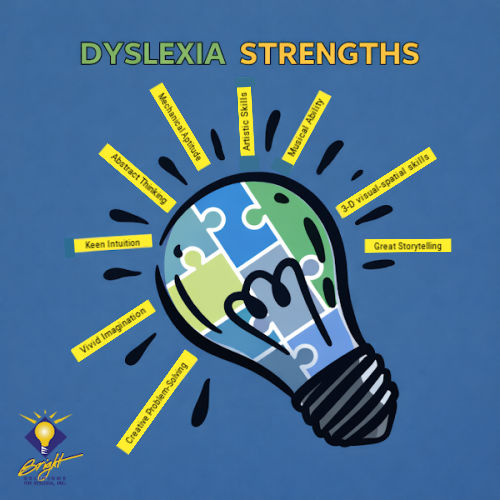
For Gwen, music became the ultimate "workaround." In the world of songwriting, the rigid rules of the classroom vanished. "There were no rules," she noted, describing how music allowed her to communicate in a way that written assignments never could. This is a powerful "superpower" often found in the dyslexic community. When traditional literacy requires extra effort, other talents frequently take center stage:
The Parenting Takeaway: Support Over Shame
Today, Gwen is changing the narrative for the next generation. By being open about her diagnosis, she is teaching her sons—and her fans—that a different way of thinking is not a deficit. Her message for 2026 is clear: Understand the dyslexic brain, provide the right support, and replace shame with pride.
|
You might be shocked by who is on the list
|
|
|
Beginning Level
Saturday, February 7 – FULL
|
|
|
|
|
|
|
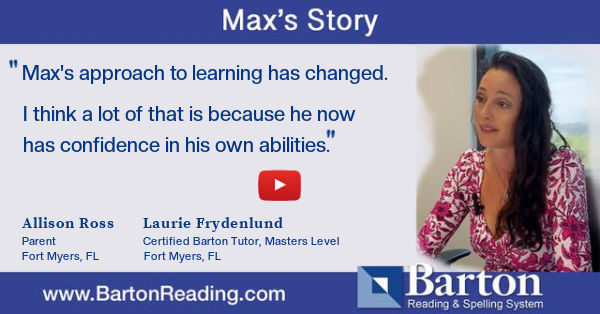
Susan Barton is thrilled when parents choose to share their journey, knowing it might offer hope to other families struggling with dyslexia, like this parent did:
|
|
|
|
|
When Max tested at a pre-K reading level at the beginning of second grade, I was devastated. He was about to enter a new school, and I had no idea how to help him. We tried so many things—nothing was working.
I started researching, calling tutors, and reading everything I could. That’s when I found Laurie, a Certified Barton Tutor in Fort Myers. From the first phone call, I felt like I could breathe again. She understood. She listened. She recommended coming in to have Max screened for dyslexia. The screening was a turning point. I was relieved when we found out it was dyslexia.
In just one school year, he went from pre-K to second grade reading level. But the most meaningful transformation was in his confidence. He started reading road signs when we were in the car. I feel like Max’s approach to learning has changed. I think a lot of that is because he now has confidence in his own abilities. Watching him believe in himself again has changed everything.
Max's Barton Tutor gave him a space where he felt safe and successful. She also gave me the tools to support him at home. I can’t say enough about her and the Barton Reading & Spelling System.
If I could go back and tell myself one thing at the start of this journey, it would be,
“It’s going to be okay. Just keep moving forward.”
|
|
|
|
|
|
|
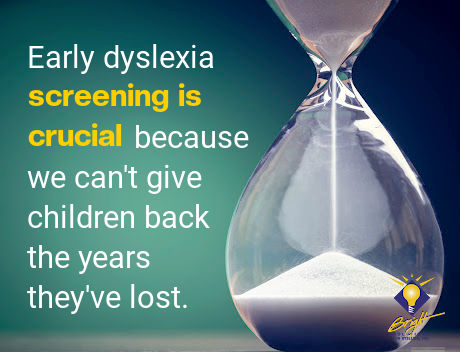
A professional diagnosis of dyslexia can be made as early as 5½ years old. Yet, many parents—especially those with children just starting their school journey—are still told to “wait and see.”
Research and experience tell us that "waiting and seeing" only delays the vital support a child with dyslexia needs.
|
|
|
Dyslexia is not a phase; children do not simply grow out of it. In fact, the earlier dyslexia is identified, the more effectively it can be addressed.
The Advantages of Early Intervention
Click here for more information on screening for dyslexia.
|
| |
|
|
|
|
These figures are staggering, highlighting the urgent need to better support and integrate dyslexic talent into our modern economy.
Rather than focusing on what dyslexic individuals struggle with, the report highlights what many do exceptionally well: big-picture thinking, pattern recognition, creativity, communication, and complex problem-solving. These strengths closely align with the skills most in demand in today’s workforce—particularly as artificial intelligence takes over routine tasks and human creativity becomes even more valuable.
It’s no coincidence that roughly one in three entrepreneurs is dyslexic. Fast-paced environments reward adaptability, innovation, and resilience—qualities many dyslexic individuals develop early as they navigate a world not designed for how they learn. In recognition of this, LinkedIn officially added dyslexic thinking as a searchable skill in 2022, signaling a major shift in how dyslexia is viewed in the workplace.
Yet much of this potential remains untapped. Traditional education and hiring systems still prioritize speed, memorization, and polished written output, often unintentionally sidelining dyslexic thinkers. When barriers are removed and strengths are recognized, dyslexic individuals consistently drive innovation, productivity, and long-term growth.
Why This Matters for Education
These strengths don’t emerge by chance. They are most fully realized when students receive effective, evidence-based reading instruction early on. Structured literacy approaches—such as the Barton Reading & Spelling System address the root causes of dyslexia, allowing students to build strong foundational skills.
When students receive appropriate accommodations and effective early intervention, they gain far more than reading skills; they gain confidence and an opportunity to succeed.
Sources: Made By Dyslexia & Randstad Enterprise; World Economic Forum; LinkedIn; Cisco
|
|
|
How MOScholars Can Fund Your Child’s Literacy Journey
|
|
|
|
Did you know that Missouri’s K–12 scholarship program can help cover the cost of your child’s education? From tuition and tutoring to specialized curriculum, MOScholars is designed to put the right tools in your hands.
Using ClassWallet DirectPay, you can seamlessly fund approved expenses—including life-changing structured literacy programs like the Barton Reading & Spelling System.
Click here to learn more about the MOScholars program.
Need help with your ClassWallet account? Contact ClassWallet at
(877) 969-5536 or help@classwallet.com
|
Note to MOScholars Families:
The Barton Reading & Spelling System is currently accessible via ClassWallet DirectPay.
We are awaiting approval for ClassWallet Marketplace and will share an
update once that option is live.
|
|
|
|
|
|
2059 Camden Ave, Suite 186
95124, San Jose, CA USA
|
|
|
|
|
|
|
 |
|
|
|
|
|
|
|
|
|
|
|
|