| | Bright Solutions for Dyslexia |
|
|---|
|
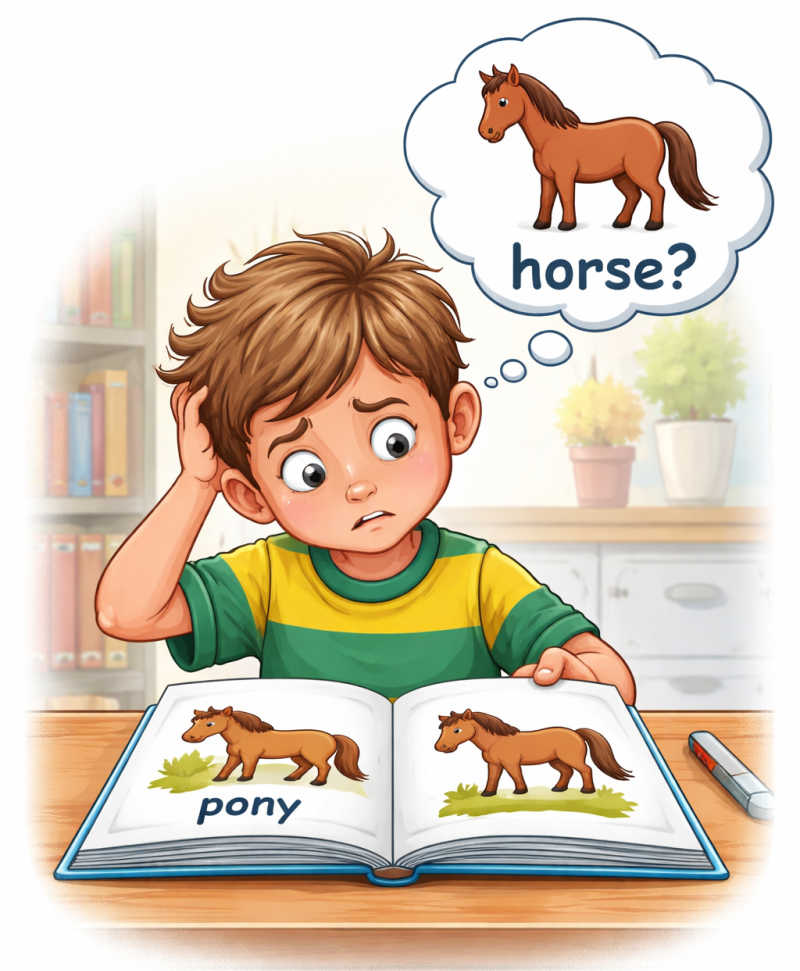
| | | | | | | | Many struggling readers appear to be reading—but if you look closely, they are often guessing. They may glance at the first letter, look at the picture, look at the shape of the word and say a word that makes sense in the sentence—but isn’t actually what’s on the page. |
|
|
|
|---|
|
These guessing techniques are very common for people with dyslexia. Experts at the Yale Center for Dyslexia & Creativity emphasize an important truth: Guessing is not reading.
Signs a Student is Guessing Instead of Reading - Substitutes words (e.g., says “pony” for “horse”)
- Skips or adds small words
- Relies heavily on pictures for clues
- Struggles with unfamiliar words
- Reads the same word differently each time
Strong readers don’t rely on context clues or pictures to figure out words. They decode—accurately and automatically.
Decoding must be taught directly. Students with dyslexia need explicit, systematic phonics instruction to learn how to break words apart and read them correctly. This type of instruction also teaches spelling and shows how reading and spelling are connected in a logical way.
During the early stages of learning to read, it’s critical that students practice only with controlled text—stories that contain only the types of words they have been taught to decode.
When students are asked to read uncontrolled books—such as textbooks, Accelerated Reader books, library books, or even nightly reading sent home from school—they are often forced to guess at words they haven’t learned how to decode yet.
Over time, this guessing habit can become deeply ingrained. In fact, it’s one of the reasons many bright students with dyslexia “hit the wall” in reading development by third grade.
If a child continues reading uncontrolled text while learning decoding skills, progress can slow significantly—because each lesson begins with reteaching the child to stop guessing.
If you notice a child guessing at words, trust your instincts. With the right type of instruction—and the right kind of reading practice—students can break the guessing habit and become accurate, confident readers.
|
|
|---|
|
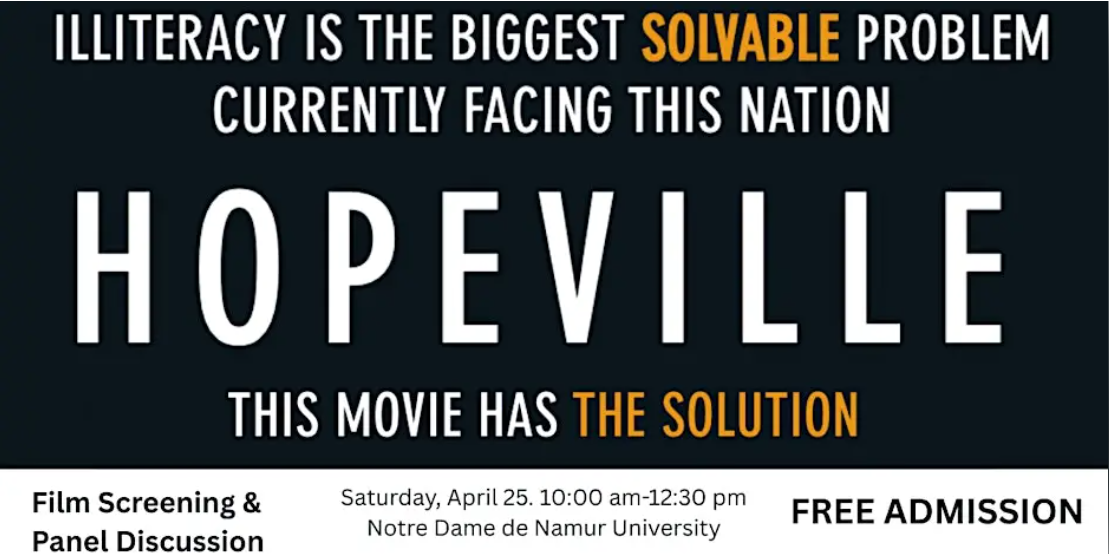
| | Hopeville Understanding Dyslexia and the Power of Early Literacy | | |
| Don’t miss a special community screening of Hopeville, a powerful documentary about dyslexia, followed by a live panel discussion with educators and experts on literacy and early intervention. This event is ideal for educators, parents, and community members who want to better understand dyslexia.
Join us Saturday, April 25 (10:00 AM–12:30 PM) at Notre Dame de Namur University in Belmont — free admission for all
Register here! |
|
|
|---|
|
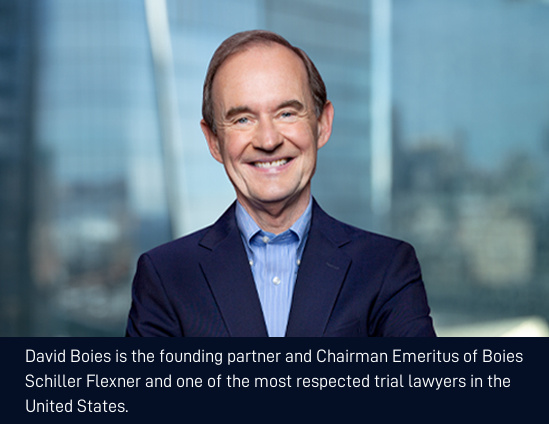
| | | | “Reading has nothing to do with intelligence. It’s just one way of getting information.” — David Boies
Renowned legal mind David Boies knows this firsthand.
Today, he’s one of the most respected trial lawyers in the United States—arguing landmark cases before the Supreme Court and leading some of the largest cases in history.
Let that sink in.
Too often, children who struggle to read begin to question their intelligence…
and others may question it too.
But reading difficulty is not a reflection of how smart a child is. It’s simply a sign they need to be taught differently.
With the right support, students with dyslexia can thrive—and go on to achieve extraordinary things.
If you have a child or student who is struggling to read, don’t lose hope. Their story is still being written. | | |
|
|
|
|---|
|
For parents, educators, and tutors, one of the most powerful messages we can share is this: dyslexia does not limit intelligence or potential. Actress, producer, and emmy-winning director Salma Hayek has spoken openly about her dyslexia, offering both honesty and encouragement. | | |
|
|
| |
|---|
|
Hayek was not diagnosed until she was a teenager. She has described herself as a fast learner, which may be why her struggles with reading were not recognized earlier. This is something many of our students experience—they are bright and capable, yet their reading challenges can go unnoticed for years.
She has also shared that while reading takes her longer, her memory is strong. After working through a script once, she often remembers it well. Her experience is a wonderful reminder that areas of difficulty are often paired with meaningful strengths.
Hayek has said that her brain works more in images than in words. That way of thinking has supported her creativity and success. For our students, this is an important message to hear: the same child who struggles to read may also be the one who thinks deeply, imagines vividly, and persists through challenges.
Her story gives us a simple but powerful way to talk about dyslexia. It is not just about difficulty—it is about understanding how the mind works, building on a person's individual strengths and continuing forward with confidence.
| | |
|
|
|---|
|
| | | | Becoming a Certified Barton Tutor is more than a credential—it’s an opportunity to change lives.
Across the country, families are searching for tutors who understand how to help students with dyslexia succeed. Certification provides added confidence, credibility, and the opportunity to be included on our referral list.
Many Certified Tutors go on to build thriving tutoring practices, while others use their training to deepen their impact within schools or learning centers. And while certification is not required to be an effective Barton tutor, it’s a powerful way to strengthen your skills and expand your reach.
Curious what certification involves?
|
|
|
|
|---|
|
Beginning Level May 16, 2026 |
| | |
|
| Advanced Level None at this time |
| | |
|
| Masters Level June 27, 2026 |
| | |
|
|
|---|
|
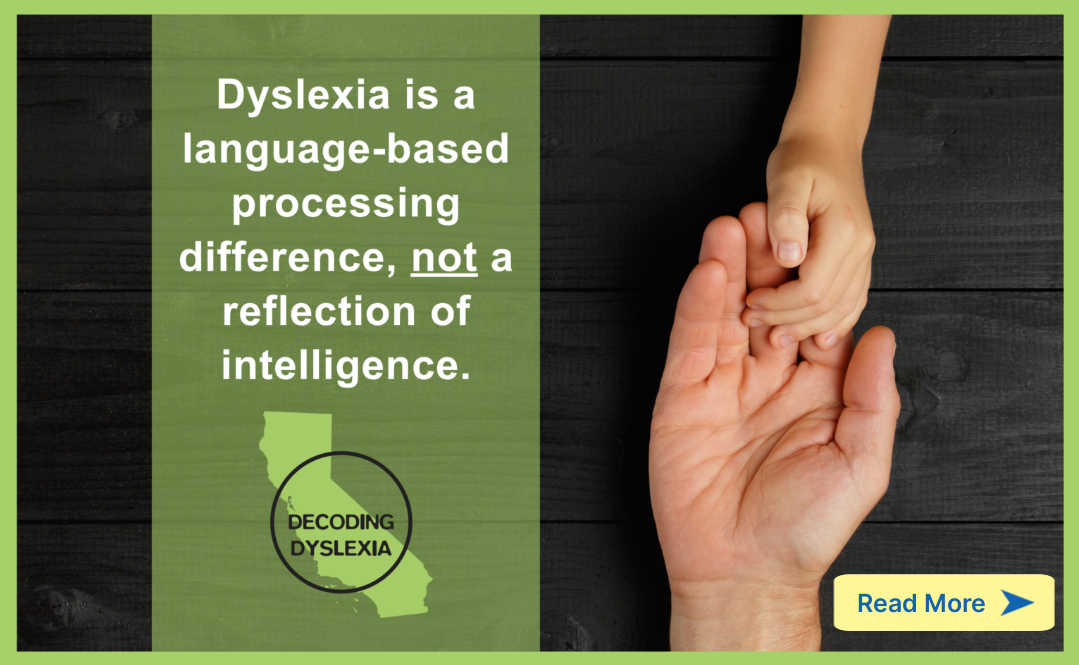
Barton Bulletin | | | We were glad to see our friends at Decoding Dyslexia CA address an important issue—common myths about dyslexia.
Despite decades of research, many myths still persist. Some still believe dyslexia is a vision issue or that children simply “see words backwards.” In reality, dyslexia is a language-based difficulty that affects how the brain processes sounds in words.
When misinformation spreads, it can delay identification and prevent students from getting the right kind of help early on.
We encourage you to take a moment to read their full statement—and continue learning how to support struggling readers with evidence-based instruction.
|  |
|
|
|---|
|
| | | | Susan Barton Dyslexia Expert | | |
|
|
| | | 2059 Camden Ave, Suite 186
95124, San Jose, CA USA | | | Mon to Fri: 8:00 a.m. to 5:00p p.m. PT Weekends: Closed | | |
|
|
|
|---|
|
| | | |  | |
| |
|---|
|
| | |
|
|
|---|
|
|
|